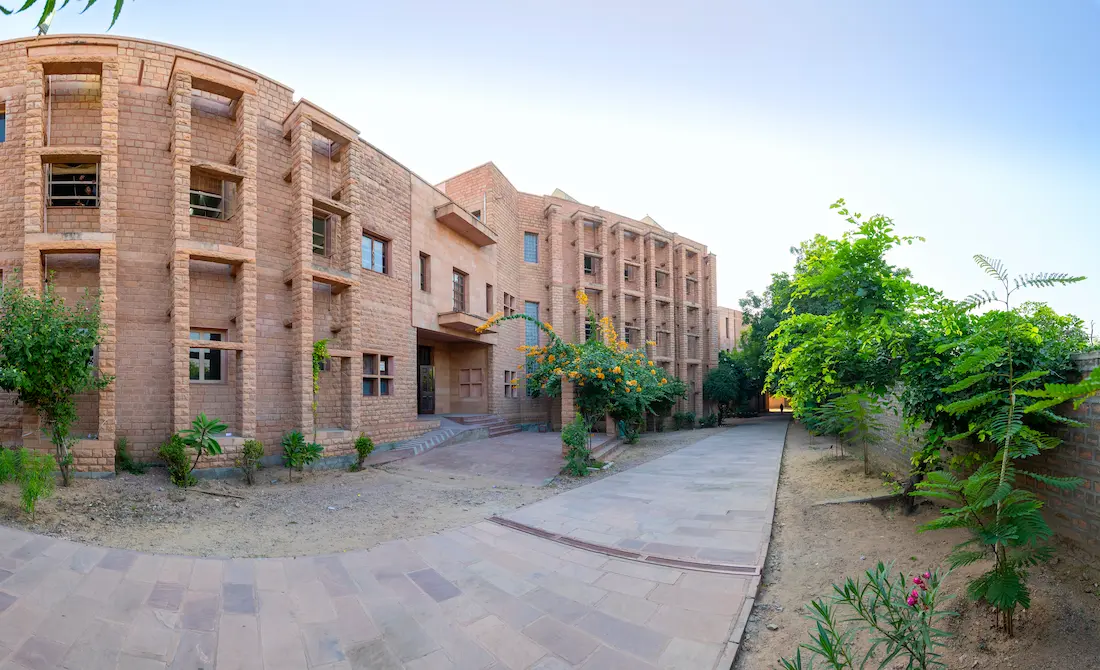
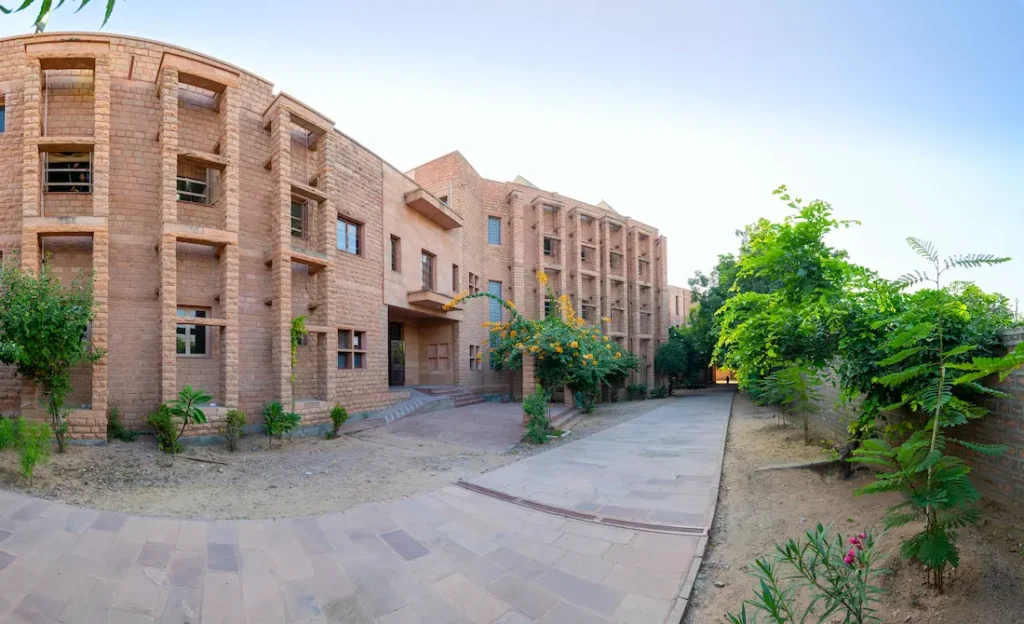
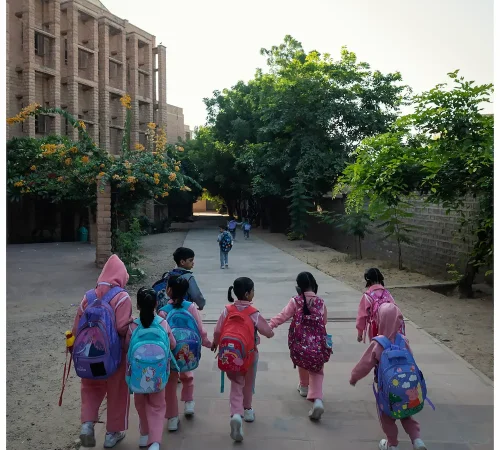
The SACNE at Chokha, Jodhpur was inaugurated in April 2006 with a strength of 35 students. It is managed by the Jodhpur Branch of The Sri Aurobindo Society, Puducherry. Now The Current Strength of Students is 1000.
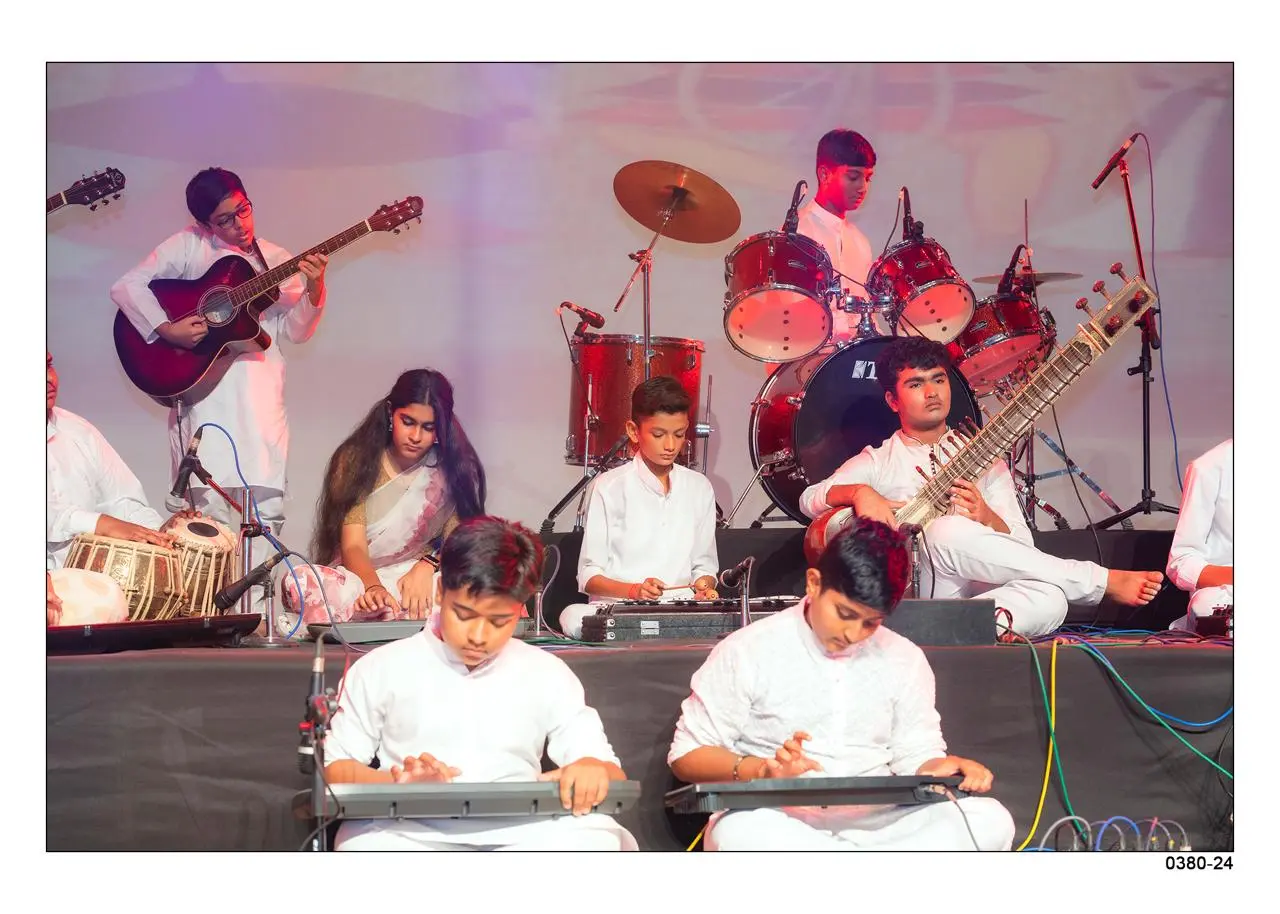
Dance, Karate, Singing, Yoga, Skating, Teacher Training
SmartClasses, Internet, Computer, ACRoom, ActivityHall, CCTVCamera, ConferenceHall, DanceRoom, Library, MedicalRoom, MusicRoom, Playground, ScienceLab
Cricket, Football, Basketball, Badminton, Chess, Gymnasium, Handball, Kabaddi, Kho_kho, Volleyball, Carrom, Athletics
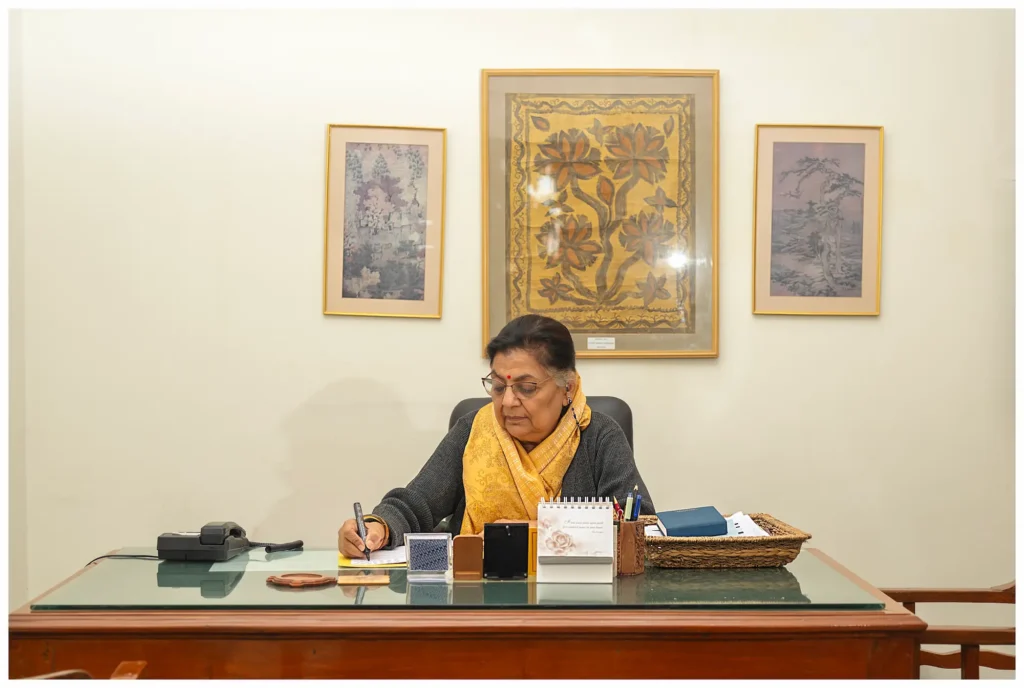
Director’s Message
Dear Students & Well Wishers,
We aim to develop a school that will implement the ideals of Integral Education envisioned by Sri Aurobindo and The Mother, which will develop a child’s entire personality including his/her physical, mental, vital and spiritual being.
The Sri Aurobindo Centre of New Education is a project of the Sri Aurobindo Society Jodhpur, a branch of the Sri Aurobindo Society, Puducherry. In Jodhpur, it is a co-education school. It started with classes Nursery through to V in 2006. In 2011 the school was granted C.B.S.E affiliation and started class IX in April 2011, and in 2012, we have been granted affiliation for Classes XI and XII. School education has largely been preoccupied by mental learning and training of the intellect. But true education in the light of Sri Aurobindo and the Mother must have five essential aspects relating to the principal activities of the human being the physical, the vital (emotional nature), the mental, and the spiritual not religious.
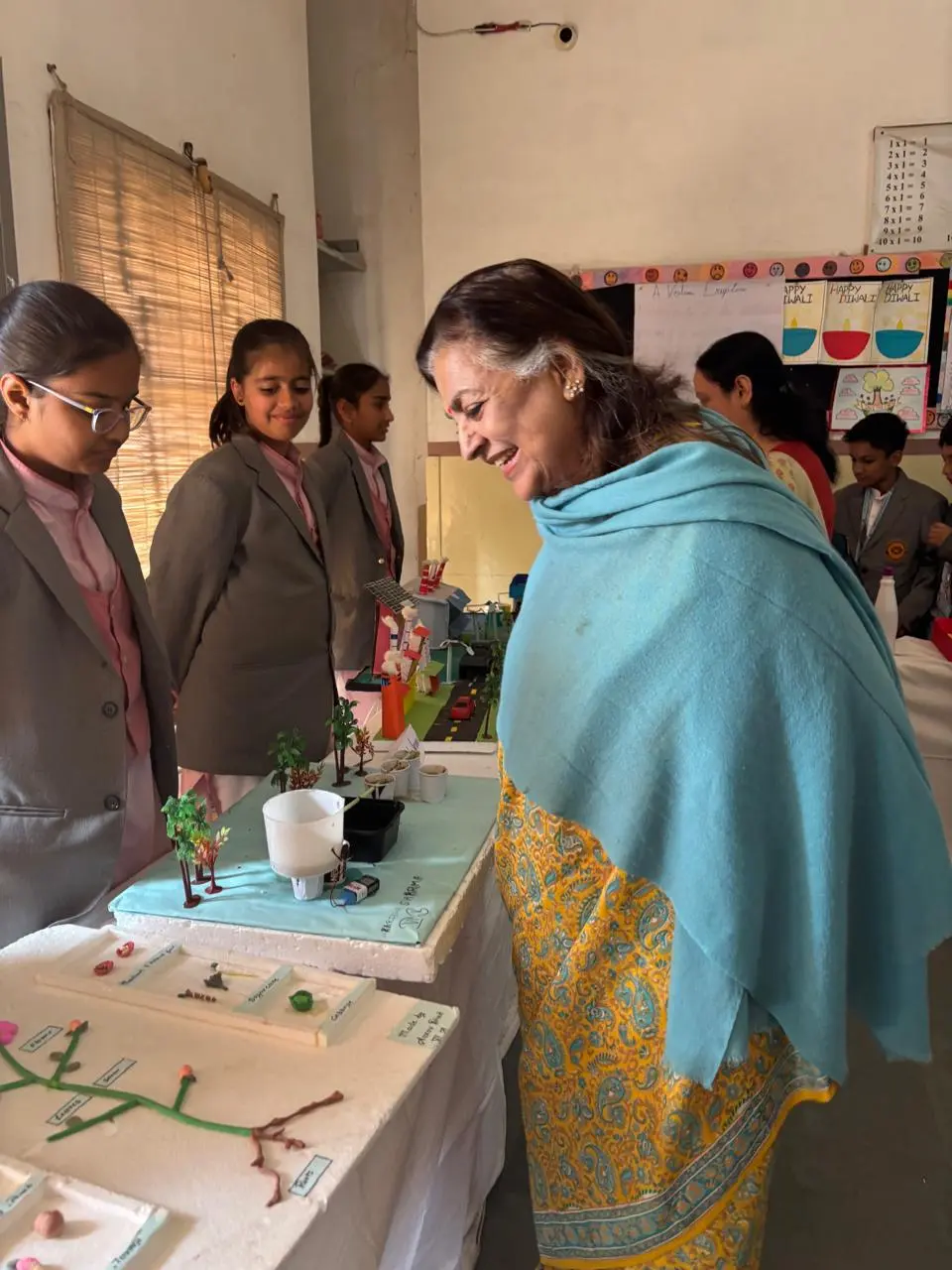
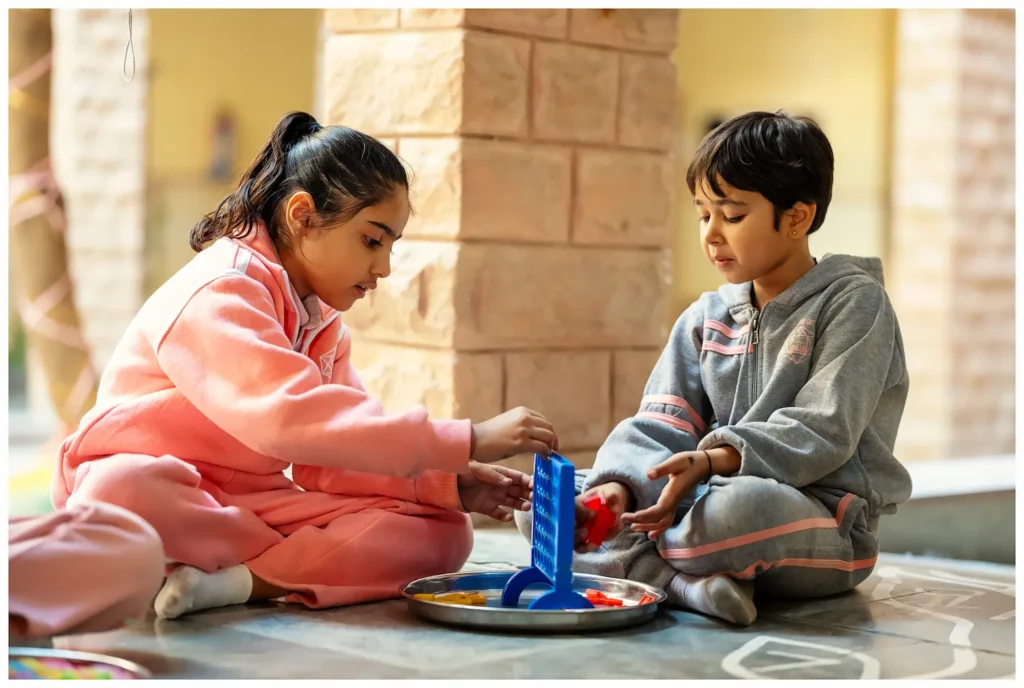
The school nurtures creativity and learning through activities like art, crafts, drawing, music, stories, and games. Montessori and sensorial tools help children develop language, number skills, and practical understanding. With exposure to Hindi and English, outdoor play, yoga, and computer learning, every child grows confidently through joyful, hands-on experiences.
The first principle of true teaching is that nothing can be taught. The teacher is not an instructor or task master, he or she is a helper and guide. His business is to suggest and not to impose. He does not actually train the pupils mind; he only shows him how to perfect his instruments of knowledge and helps and encourages in the process. He does not impart knowledge, he only shows him how to acquire knowledge for himself. He does not call forth the knowledge that is within; he only shows him where it lies and how it can be habituated to rise to the surface – child or man, boy or girl, there is only one sound principle of good teaching. The difference in age only serves to diminish or increase the help and guidance necessary; it does not change its nature.
The second principle is simply that the mind must be consulted in its own growth. The idea of hammering the child into the shape desired by the parent or teacher is a barbarous and ignorant superstition. It is he himself who must be induced to expand in accordance with his own nature. Everyone has in him something divine, something his own, a chance of perfection and strength in however small a sphere which God offers him or her to take or refuse. The task is to find, develop and use it. The chief aim of education should be to help the growing soul to draw out that in itself which is best and make it perfect for a noble use.
The third principle of education is to work from the near to the far, from that which is to that which shall be. The basis of man’s nature is almost always, in addition to the souls past, his heredity, his surroundings, his nationality, his country, the soil from which he draws his sustenance, the air which he breathes, the sights, sounds, habits to which he is accustomed. They mould him not the less powerfully because insensibly, and from that then we must begin If anything has to be brought in from outside, it must be offered, not forced on the mind.
Copyright © 2024 Sacne. All Rights Reserved.
Made by Entropy Designs