Curriculum
School Curriculum Framework
(Aligned with CBSE + Integral Education Principles)
Foundation Stage → Preparatory Stage → Middle Stage → Secondary → Senior Secondary
I. PHILOSOPHY OF THE CURRICULUM
- Alignment with CBSE & NEP 2020
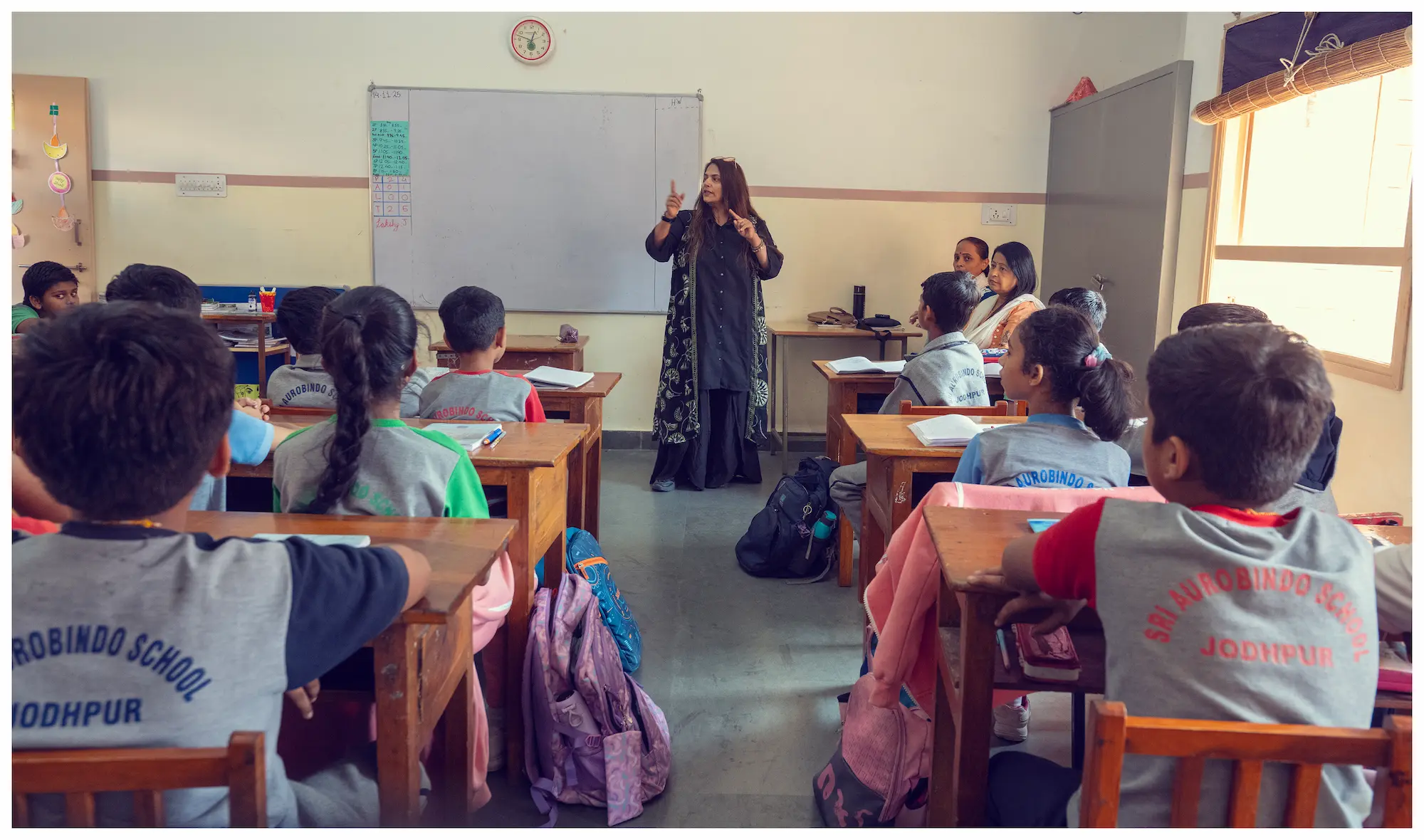
- Competency-based education
- Experiential learning
- Reduction of curriculum load
- Integration of arts, sports, ICT, and values
- Continuous, holistic assessments
- Multidisciplinary approach (Classes 11–12)
- Promotion of Indian knowledge systems
- Alignment with Integral Education
Inspired by Sri Aurobindo & The Mother:
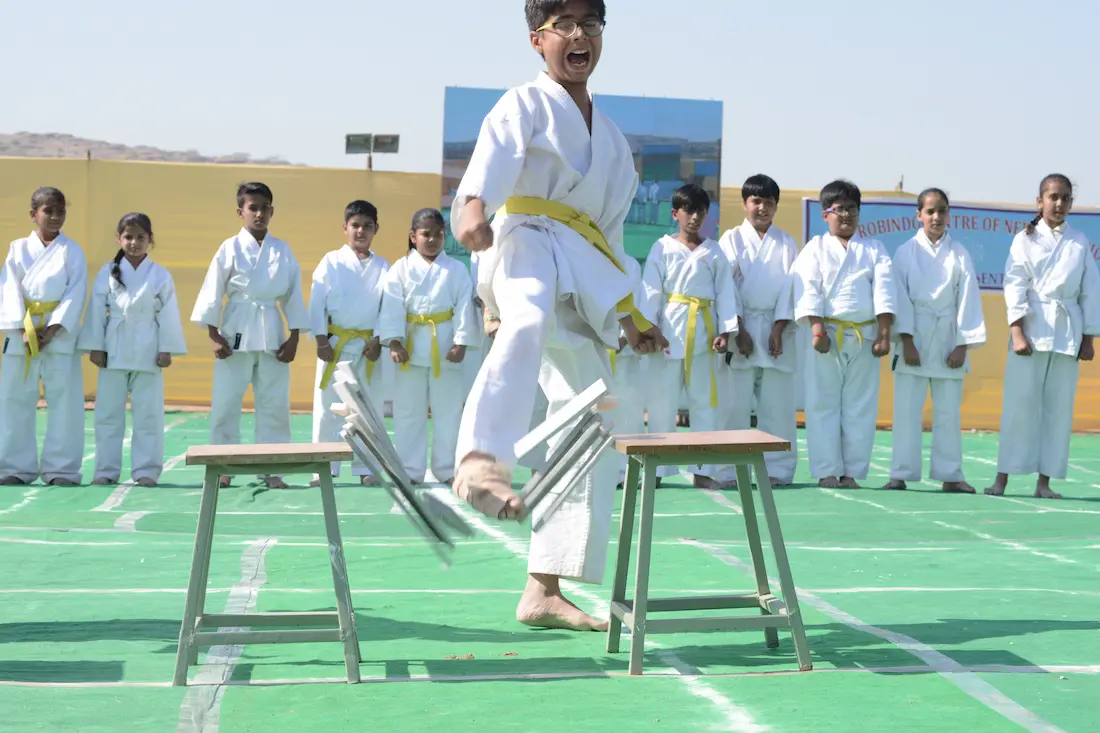
- Physical education: health, strength, balance, discipline
- Vital education: emotional regulation, teamwork, social sensitivity
- Mental education: conceptual understanding, reasoning, creativity
- Psychic education: values, inner awareness, purpose, aspiration
- Spiritual education: universal values, harmony, connectedness
This curriculum blends both systems to enable holistic human development.
II. SCHOOL STAGE-WISE CURRICULUM STRUCTURE
A. FOUNDATION STAGE (Pre-school to Grade 2) (Ages 3–8 | CBSE Foundational Stage)
Core Learning Areas
1. Foundational Literacy & Numeracy (FLN)
Phonics, reading readiness, oral language
Numbers 1–100, patterns, shapes, basic operations
2. Environmental Awareness
Family, surroundings, nature
3. Aesthetic & Creative Expression
Art, craft, storytelling, rhyme & rhythm
4. Motor Development
Fine & gross motor activities
5. Values & Social-Emotional Learning
Sharing, empathy, mindfulness, honesty
Pedagogical Approach
- Play-based
- Story- and activity-based
- Experiential and sensory learning
- Outdoor learning
- Circle-time and reflective sessions
Cocurricular & Integral Activities
- Yoga for kids
- Circle time
- Rhythmic movements & dance
- Nature walks
- Simple gardening
- Silent sitting / guided mindfulness
- Free drawing / creative play
- Music & chanting (non-religious, universal mantras like Om, peace chants)
Core Learning Areas
- Foundational Literacy & Numeracy (FLN)
- Phonics, reading readiness, oral language
- Numbers 1–100, patterns, shapes, basic operations
- Environmental Awareness
- Family, surroundings, nature
- Aesthetic & Creative Expression
- Art, craft, storytelling, rhyme & rhythm
- Motor Development
- Fine & gross motor activities
- Values & Social-Emotional Learning
- Sharing, empathy, mindfulness, honesty
Pedagogical Approach
- Play-based
- Story- and activity-based
- Experiential and sensory learning
- Outdoor learning
- Circle-time and reflective sessions
Cocurricular & Integral Activities
- Yoga for kids
- Circle time
- Rhythmic movements & dance
- Nature walks
- Simple gardening
- Silent sitting / guided mindfulness
- Free drawing / creative play
- Music & chanting (non-religious, universal mantras like Om, peace chants)
B. PREPARATORY STAGE (Grades 3–5)
(Ages 8–11 | CBSE Preparatory Stage)
Subjects
1. English
2. Hindi / Regional Language
3. Mathematics
4. STEM
5. Environmental Studies (EVS)
6. Computer Awareness
7. Arts Education
8. Health & Physical Education
9. General Knowledge / Life Skills
Pedagogy
1. Experiential learning
2. Project-based learning
3. Hands-on activities and labs (Math Lab, EVS Lab, English)
4. Art-integrated learning
5. ICT-enabled learning
Cocurricular & Integral Components
1. Physical: Games, yoga, basic gymnastics, fitness routines
2. Vital: Class council, buddy program, conflict resolution circle
3. Mental: Reading programme, puzzle hour, STEM/ATL exposure
4. Psychic: Quiet reflection, gratitude circle, journaling
5. Aesthetic: music, drawing, crafts, clay modelling
Monthly themes: Peace, Harmony, Nature, Respect, Courage
C. MIDDLE STAGE (Grades 6–8)
(Ages 11–14 | CBSE Middle Stage)
Subjects
1. English
2. 2nd language Hindi
3. 3rd language Sanskrit
4. Mathematics
5. Science
6. STEM
7. Social Science (History, Geography, Civics)
8. Computer Science
9. Art Education (Visual & Performing Arts)
10. Physical Education
11. Value Education
12. Life Skills
Approach
1. Inquiry-based learning
2. Conceptual & competency-based learning
3. Cross-curricular integration
4. Exposure to vocational skills (CBSE mandated)
5. Research and presentation skills
Cocurricular & Integral Activities
Physical
1. Athletics,
2. Team games
3. Mallakahamb
4. Foot ball
5. Basket ball
6. Volleyball
7. Cricket
8. Archery
9. Martial Art
10. Gymnastics
11. Asanas, basic pranayama
12. First-aid and health clubs
Vital
1. Drama, elocution, debate
2. Emotional literacy lessons
3. Leadership workshops
Mental
1. Science exhibitions
2. Projects- Food mela,
3. Exhibition
4. Coding clubs
5. Mathematical reasoning quizzes
Psychic / Spiritual
1. Self-awareness modules
2. Inspirational biographies (Aurobindo, Vivekananda, Tagore, etc.)
3. Reflection journals
Aesthetic
1. Dance, instrumental music, theatre
2. Visual arts
3. Pottery
4. Handmade paper
D. SECONDARY STAGE (Grades 9–10)
(Classes IX & X | CBSE Secondary)
Subjects (As per CBSE)
1. English (Language & Literature)
2. Hindi / Sanskrit (Optional)
3. Mathematics (Standard / Basic)
4. Science (Physics, Chemistry, Biology integrated)
5. Social Science
6. IT (AI Basic,Skill subject)
7. PE
8. Art Education
9. Value Education
10. Life Skills
Academic Approach
1. Active learning
2. Competency-based learning (NEP/CBSE)
3. Lab-based science learning
4. Use of case studies (social science)
5. Career awareness initiatives
6. Research projects (mandatory under CBSE SEWA project)
Cocurricular & Integral Elements
1. Meditation, relaxation techniques
2. Sports teams and inter-house competitions
3. Student leadership (prefectorial board, clubs)
4. Community service (SEWA)
5. Film appreciation
6. Social outreach: old-age homes, eco-clubs
7. Skill modules: financial literacy, first-aid, communication skills
E. SENIOR SECONDARY STAGE (Grades 11–12)
(Streams: Science, Commerce, Humanities)
Subjects Offered
Language : English Core
Group 2Chemistry / History/ Business Studies
| Group 1 | Physics/ Political Science/Accountancy |
| Group3 | Mathematics/ Psychology/ Economics/ Painting |
| Group 4 | Informatics Practice/Biology/Hindi/Sanskrit/ Physical Education |
Pedagogy (Aligned with CBSE Skill-Based Vision)
1. Research-driven
2. Inquiry & case-based learning
3. Internships / job-shadowing
4. Multidisciplinary project work
5. Seminars, symposiums & student-led conferences
6. Portfolio building
7. Career and aptitude counselling
Integral Education Components
1. Physical
Fitness training, sports specialisation
Advanced yoga, pranayama, physical endurance trainings
2. Vital (Emotional + Social)
Youth leadership initiatives
Peer mentoring
Mental well-being sessions
Public speaking, Model UN, theatre
3. Mental
Critical thinking & philosophy
Research methodology
Creativity workshops
Reading of great thinkers (Aurobindo, Gandhi, Einstein, etc.)
4. Psychic/Spiritual
Silence periods
Guided introspection
Human values and ethics
Study of universal spirituality (non-doctrinal)
Core Learning Areas
- Foundational Literacy & Numeracy (FLN)
- Phonics, reading readiness, oral language
- Numbers 1–100, patterns, shapes, basic operations
- Environmental Awareness
- Family, surroundings, nature
- Aesthetic & Creative Expression
- Art, craft, storytelling, rhyme & rhythm
- Motor Development
- Fine & gross motor activities
- Values & Social-Emotional Learning
- Sharing, empathy, mindfulness, honesty
Pedagogical Approach
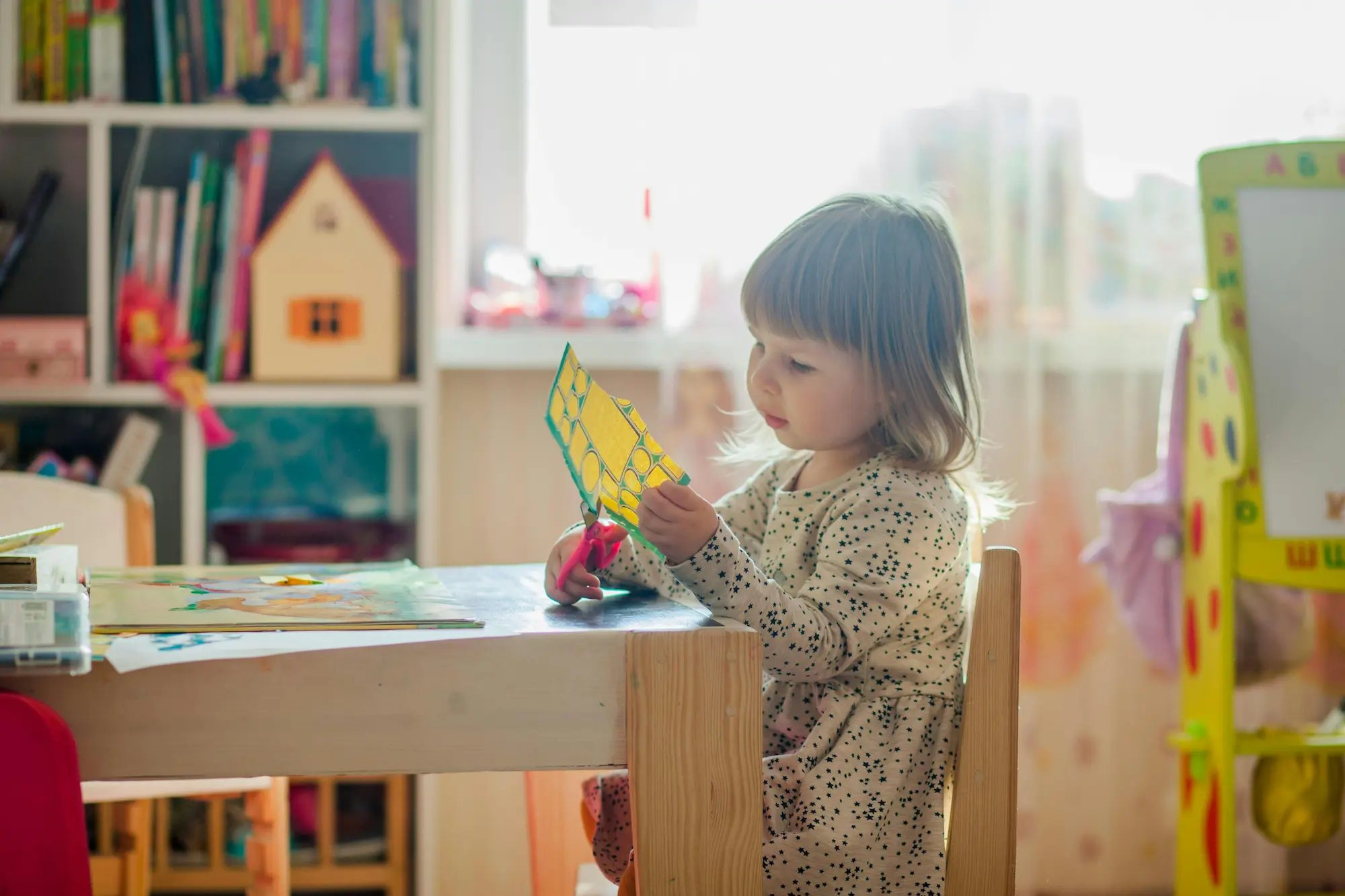
- Play-based
- Story- and activity-based
- Experiential and sensory learning
- Outdoor learning
- Circle-time and reflective sessions
Cocurricular & Integral Activities
- Yoga for kids
- Circle time
- Rhythmic movements & dance
- Nature walks
- Simple gardening
- Silent sitting / guided mindfulness
- Free drawing / creative play
- Music & chanting (non-religious, universal mantras like Om, peace chants)
III. WHOLE-SCHOOL CO-SCHOLASTIC PROGRAMME
Clubs & Societies
1. Literary Club
2. Eco Club
3. Robotics & Coding Club
4. Mathematics Club
5. Heritage Club
6. Art & Craft Club
7. Music & Dance Club
8. Sports Club
9. Well-being Club
10. Astronomy Club
11. Entrepreneurship Club
Sports Programme
1. Athletics
2. Football
3. Cricket
4. Basketball
5. Volleyball
6. Table Tennis
7. Yoga
8. Martial Arts
Life Skills Curriculum (As per CBSE)
1. Self-awareness
2. Critical thinking
3. Decision-making
4. Problem-solving
5. Interpersonal skills
6. Empathy
7. Goal-setting
8. Stress management
Value & Ethics Curriculum
1. Inspired by Integral Education
2. Includes: honesty, courage, harmony, service, gratitude, inner discipline
School Events Calendar
1. Annual day
2. Sports day
3. Art fest
4. STEM expo
5. Heritage Site Visit
6. Wellness week: Health check-up, Guidance and Counselling
7. Student-led conferences: MUN, Quiz, Symposium
8. Community outreach events: Old age home, Orphanage, Swach Bharat Abhiyan
IV. ASSESSMENT FRAMEWORK (CBSE Aligned)
Foundational–Preparatory (Grades 1–5)
1. Portfolio
2. Anecdotal records
3. Worksheets
4. Oral activities
5. Projects
6. Competency checks
Middle (Grades 6–8)
1. Periodic tests
2. Projects & experiments
3. Portfolio
4. Subject enrichment activities
5. Co-scholastic evaluation
Secondary & Senior Secondary
1. CBSE Pattern (80+20)
2. Practical exams
3. Research projects
4. Multiple assessment modes
5. SEWA project evaluation